Jay Sean’s Take: AI Music vs. Real Art
Jay Sean’s Take: AI Music vs. Real Art
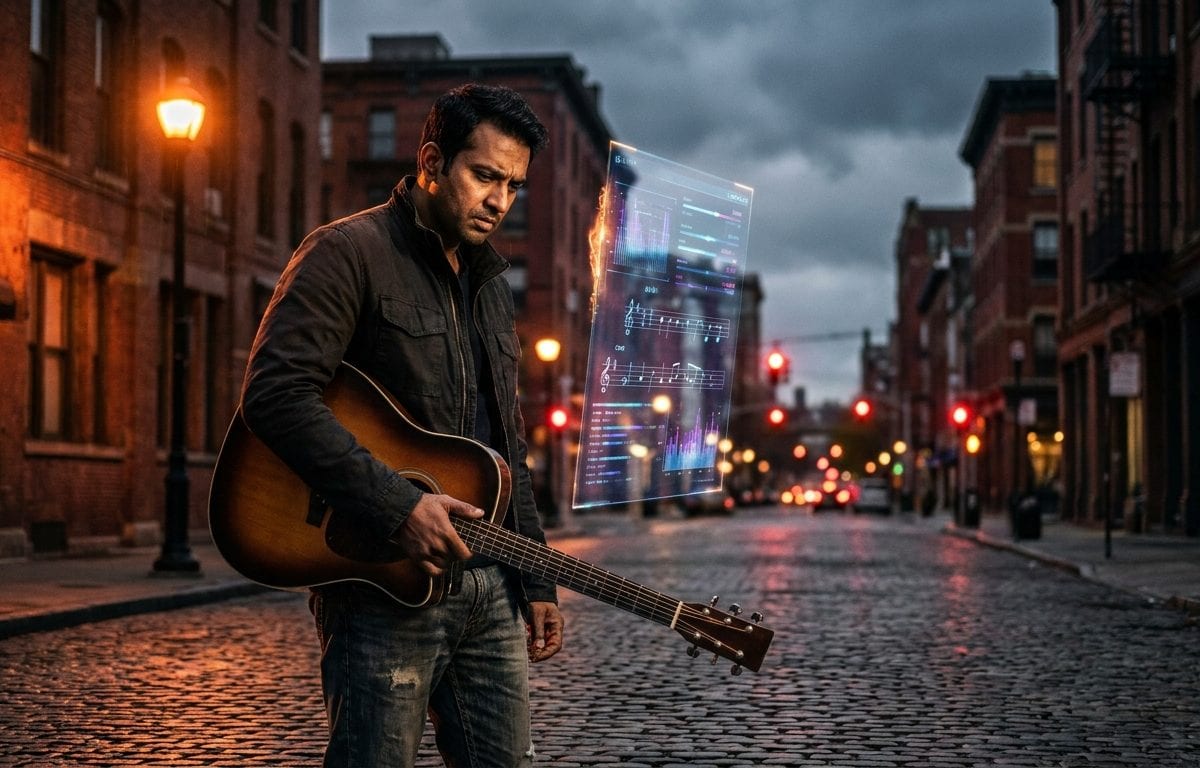
Jay Sean recently opened up about the impact of AI in the music world, raising a thought-provoking question about the future of human-created art. He referenced Ne-Yo’s analogy: “Imagine shoes that let you play like LeBron in the NBA by just wearing them. Is that really fair?” It’s a clever way to rethink AI’s influence on creativity. Jay ponders, “If music’s available for anyone to create from their bedroom and upload, does it hold the same value? What happens to the art itself?” This question is becoming harder to dismiss as AI-generated tunes flood the same spaces as human-made songs. The rise of AI music tools has democratized music production, allowing individuals without formal training to produce polished tracks. However, the ease of creation might overshadow the years of dedication and skill development traditional artists invest. This shift prompts a broader discussion on what audiences value in music—is it the polished production or the unique human experience behind it?
Moreover, AI’s role in the music industry is growing beyond just creation. It’s being used for music curation and personalization, tailoring playlists to individual tastes with precision. While this enhances user experience, it also raises concerns about homogenizing what we listen to, potentially stifling new and diverse sounds from emerging artists who might not fit the algorithm’s mold.
Memorable Fan Moment

Turning to a heartwarming fan story, Jay recalls his Diamond-certified hit “Down” and a touching wedding performance surprise. The bride and groom had bonded over his song, and Jay’s presence at their wedding was a tear-jerker moment. “Tears everywhere,” he says. It was a beautiful reminder of music’s emotional impact, highlighting how songs can weave into people’s lives, creating unforgettable memories. Music’s power to connect people on a personal level remains undeniable. Such moments underscore the irreplaceable human element in music—a connection that AI, despite its capabilities, cannot replicate. These stories show that while technology evolves, the emotional core of music remains timeless, continuing to bring people together in moments of joy, nostalgia, and love.


